The Social Media Channel |
| Tweet, telephone, or text? A beginner’s guide to omni-channel engagement Posted: 20 Feb 2014 09:45 AM PST  Jennifer Bowden is a customer service specialist currently contributing on behalf of numero, a world-class software solutions provider. The unrelenting emergence of new technology means that brands now need to be everywhere, all of the time. These days, it's just not enough to have a dedicated call centre ready and waiting to take customer calls and complaints, brands must to be actively available via all forms of media. Why? Well, if a customer wants to express their disappointment with a product or service via Facebook or Twitter, they will, regardless of whether the brand is there to respond. So it has never been more important to turn up to the party. One of the biggest problems facing brands since personal technology decided to up its game during the last decade has been maintaining uniformity across channels of communication, prompting CRM specialists to develop omni-channel technology. Omni-channel communication is all about four fundamental types of experience: personalised, consistent, accessible and efficient. ConsistencyOmni-channel engagement facilitates brand communication across all media channels – be it phone, text, e-mail, a chat facility, or social media – from one unified interface. In turn, this gives way to a much stronger overall identity. A greater sense of consistency means that a more meaningful relationship can be forged with the customer, where previous customer relationship management strategies have failed. This is built on an overarching understanding of how customers interact with brands, including:
So just what does the omni-approach offer in terms of an enriched digital experience for both brand and consumer? PersonalisationOmni-channel interfaces build a profile of data for each customer, consolidating all channels of communication for a more seamless customer experience and the generation of targeted marketing campaigns. When customers interact via social media, businesses are able to capture customer data that significantly enriches their records and paves the way for a much closer and personal service. If information can be gleaned to detect specific latitudes and longitudes about a person, it becomes possible to push adverts for certain products over others. With over 60 percent of consumers indicating that they agree with the use of personal data for faster and improved purchase possibilities, this is likely to be a welcome improvement to the customer experience, whilst creating a vast amount of sales opportunity for brands. AccessibilityEffective omni-channel engagement puts companies where the consumer is in a virtual capacity, meaning they can identify and actively respond to consumer demand in a matter of minutes. Not only this, but they can tailor communication to their audiences, so they become a valuable source of information. A good example of this is practice is at Cable & Wireless' 'LIME', in the Caribbean. LIME uses both Facebook and Twitter as outlets for its customer service operations for quickly spreading the word about things such the impact of extreme weather conditions on services. EfficiencyFinally, omni-channel engagement affords brands the ability to track Web activity. This insight in turn allows them to craft a customer journey that is guaranteed to satisfy a specific demographic of consumer. This really comes into its own in the instance of dropped basket cases. Consumers inevitably visit retail sites and leave without buying anything. Often, this could be because they didn't find what they were looking for, they weren't really in the market for making a purchase anyway, or their conscience got the better of them. However, what does need to be picked up is when customers get to the checkout with the intention of buying and then for some reason, decide not to. It could be that their card details wouldn't process, they were distracted and didn't get chance to complete the transaction, or simply that they felt the transaction process was too much hassle. Abandoned purchases like this are estimated to cost UK retailers approximately £1bn every year. Omni-channel software solutions can flag this up to a customer service operative, who is then able to retrieve that shopper's information, reach out to determine their needs, and help them to complete the transaction. Forward thinking enterprises are even attempting to perfect the customer experience by making use of behavioural data gleaned interactions with their various channels. For example, by tracking a user's Web analytics, brands can evaluate what a specific visitor hopes to get out of their interaction with the brand and use this to actively route their journey in a particular way. Omni-channel solutions are busily creating the potential for brands to offer revolutionary service by switching the focus of contact centres from one-dimensional operations concerned with call times and queues, to customer relationship centres providing continuous consumer engagement. What do you think; should brands be making a concerted effort to form meaningful relationships with their consumers, or is the prospect of personal advertising all a bit too "Minority Report"? Image credit: Shutterstock/imtmphoto  This posting includes an audio/video/photo media file: Download Now |
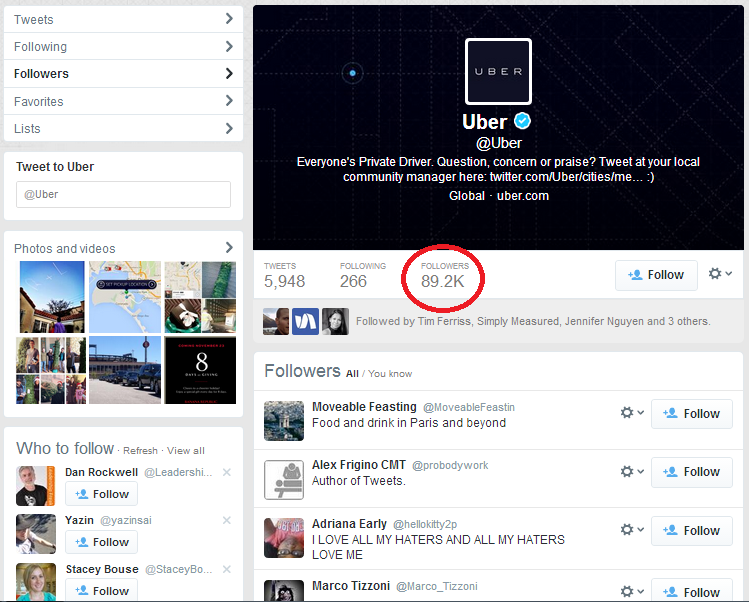
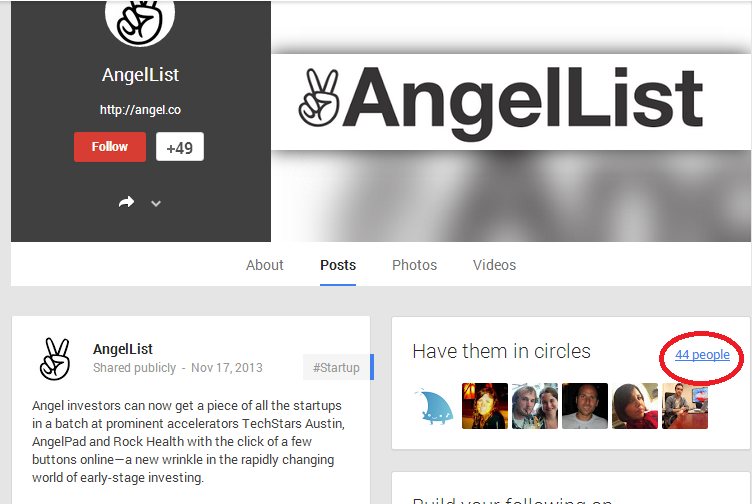
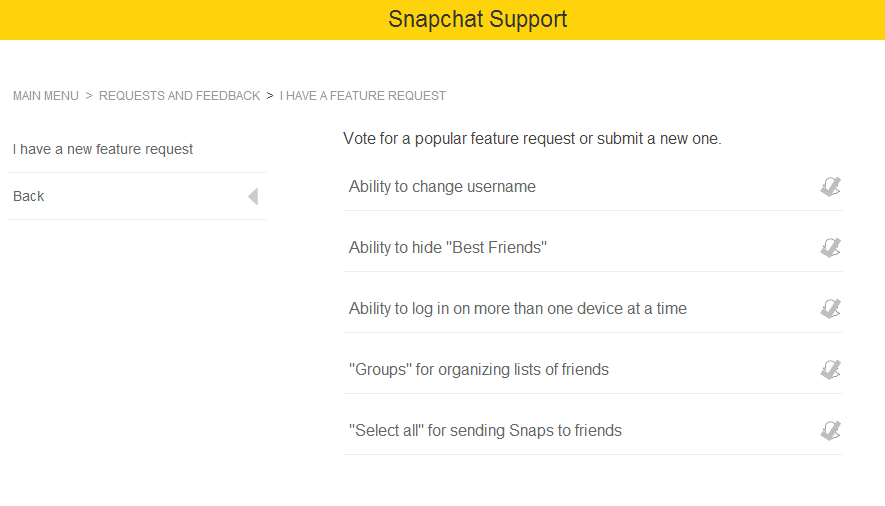
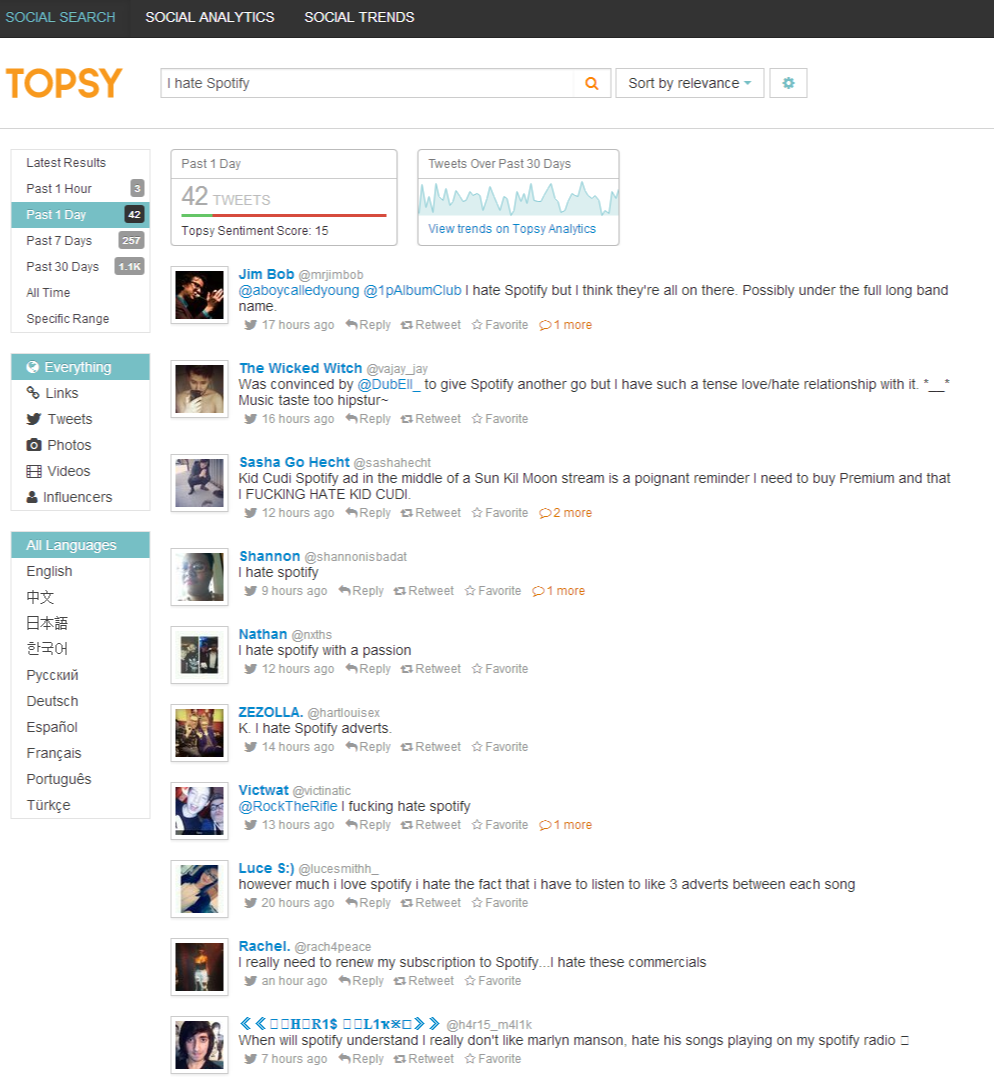
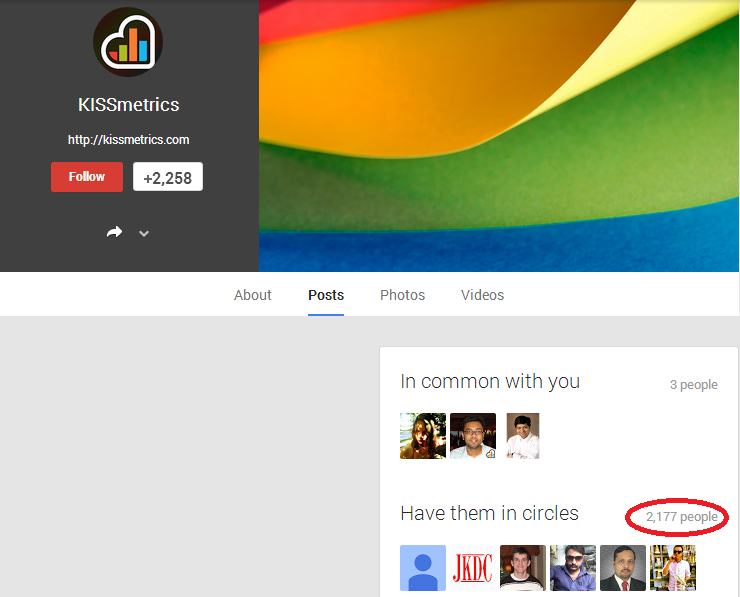
| 7 things you can (legally) steal from successful companies Posted: 20 Feb 2014 08:05 AM PST  Denis Duvauchelle is CEO and co-founder of Twoodo, helping your team organize itself using simple #hashtags. The essence of innovation and the foundation of many start-ups are to imitate and adapt from existing concepts. New ideas are mostly incremental improvements of past ideas, just as we as a biological species have evolved improvements over centuries. We at Twoodo are trying to make team collaboration tools a little bit better, for example. One thing that never gets old in business is knowing your customer – and that's because of how often we get it wrong. Too often we rely on our narrow worldview to inform us of who we think would use our product or service. Data-gathering from scratch is a daunting prospect. The good news is that with a little research, you'll find that a lot of this data has been gathered for you. You just need to know where to look. Often times it's not very far from your competitors. 1. Borrow their Twitter followersUnless you've entered a "blue ocean market," it's likely that there are at least 10 other more successful companies doing what you are trying to do right now. But that's OK! That means there are ten companies with curated lists of people interested in your kind of service. This is where the hijacking of open social platforms come in. Twitter is a famous example. Just click on the "followers" list of your competitor's company and you have a list of Twitter handles worth getting to know. If you just want to get a list of the top influencers of an account, use this tool to generate the data. If you want more comprehensive data on your competitors' followers you can use this tool. It is important to make connections with influencers early on so they can be evangelists for your brand. Similarly, on Google+ you can go to a page and click to see who the followers of a brand are. It's pretty easy to link up with them, and once you are, G+ allows you to send email notifications to them of your updates or shared news. I'm not suggesting you should contact them to spam them or tell them your service is better. But starting a conversation and finding out why they love or are frustrated by your competitors is a great way to find vital information. You'd be surprised at how many people are willing to share their experiences. Here's a cool article on how to growth hack Google Plus if you want to harness its full growing potential! 2. Spy on their feature requestsWant to make sure that your new app doesn't fall into the same traps as your competitors once did? Check out their "feature request" lists and past FAQs to get an idea of what users/customers are finding challenging. Do this by simply going to your preferred search engine and typing "COMPANY feature request." You can create an improved business by avoiding the mistakes made by your competitor in the past, and also try to get ahead by offering features that users are requesting (but have not been developed yet). Totally legit and totally serving the user. 3. Win over their hatersIt's as simple as typing "I hate XXX" into Topsy and seeing who hates the company and why. This is also a good way of discovering features people hate/love/want and incorporating the info into your business. Grab their Twitter handle and offer them your far superior service! Careful not to become their next punching bag!
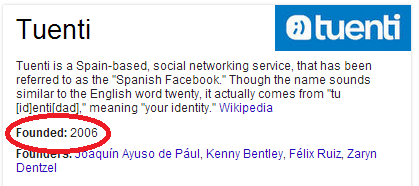
4. Take advantage of their inability to be everywhereThis won't pose much of a challenge in North America, where English and Spanish covers pretty much the whole population. However, step outside of that bubble into Europe, Africa and Asia and you'll find that an almost-copycat service done in a local language is niche enough to make you a sweet business. Here's an early example: Tuenti launched in Spain as the Spanish social network when Facebook was only just allowing 13-year-old school kids on in the USA. Spain has a population of (give or take) 50 million – more than enough people for the founders to enjoy a good income. This proves that, if nothing else, you can use language as your niche. 5. …and their inability to do everythingMergers and acquisitions anyone? This is another area where your research on the FAQs and feature requests is useful. Build a company or develop features fulfilling a need that the your large competitors have. Then, negotiate a partnership or buy each other out. A famous examples is eBay buying PayPal and iBazar (a European online marketplace), therefore acquiring a payments system plus a continent worth of customers that it could convert to eBay users. You will have to be fast on your feet if you decide to take this route, in case the company in mind is large enough to build a solution itself. 6. Borrow their demographic dataData on visitors and customers is being generated in gigantic quantities. And it's not limited to websites – there are startups developing ways to use street cameras to analyze who goes into shops. Although much of this data is hidden or protected by law, there are some tidbits available online that can give you some insights into your target market. For example, if you are targeting US women then not being on Pinterest is crazy. Pinterest has an audience of 80 percent women, and 20 percent of all American women are on it. There are other kinds of data available to assist in building your information about potential users, if you persevere on the search engines. If you are a game company, it is interesting to know that people who play Candy Crush do it from 6 to 9 PM and on Sundays. This is important for your marketing efforts and for your live customer support. Here's one way of finding out about the users of your competitors:
A recent experiment I did with Facebook also brought some interesting results. I joined an interest group (Arduino boards), and clicked "add friend" on all the members that had the option available (which was plenty). Quite a lot added me back after a quick message to check that I was a legit person. Once I had connected with a large enough sample from the group, I was able to find such data as age, gender, location, industry and so on. This is gold when you are trying to figure out who your ideal customer is. 7. Hijack their search engine rankingsIf you do a Google search for your keywords you'll probably see a bunch of competitors on the first page results. If they're on the first page then they must be doing something right with their backlink strategy. Imagine how powerful it would be if your site had the same backlinks as not only the first result but every single one of the top 10 results! This is possible with a few steps and a bit of elbow grease. The good news is that you can see precisely the backlink strategy these competitors are using. It's possible to find all the websites, blogs, forums or online magazines your competitors are getting their links from. Once you've got that list it's up to you to get busy and replicate them by commenting on the same blog posts, asking for guest posts from the same blogs, posting on the same forums and so on. Matthew Woodward has created a complete comprehensive guide to this growth hack. You'll soon be appearing in the top 10 results for your targeted keywords – and apparently it can even survive Google's algorithm updates. This is long-term SEO with a strong foundation – a useful habit to begin with early. Is there anything I shouldn't steal (I mean, borrow)?Being "inspired by" or "adopting features of" other businesses is common practice. It's costly and difficult to fight legal battles against anyone who decides to take your idea and run with it. Patent laws are not equally enforced around the world and it's pretty hard to keep your secret sauce secret on the internet. Even giants like Samsung and Apple are not above such controversy. Uber has allegedly poached drivers from competitors by calling up and canceling cabs (thus acquiring the driver's number) and then offering them a job with them. How wrong was this? I'm not sure. Marketplace ethics are a grey area. Top image credit: Shutterstock/Peshkova  This posting includes an audio/video/photo media file: Download Now |
| You are subscribed to email updates from The Next Web » Social Media To stop receiving these emails, you may unsubscribe now. | Email delivery powered by Google |
| Google Inc., 20 West Kinzie, Chicago IL USA 60610 | |


