We Build Pages |
- A Great Website Gives Visitors What They Came For
- Healthcare.gov: User Experience Design Update
- Free and Useful On-Page Optimization Tools
- “Flawless Consulting” A [book] tool worth adding to your tool set
- Content Distribution Management To Halt Search Engine SEO Chaos
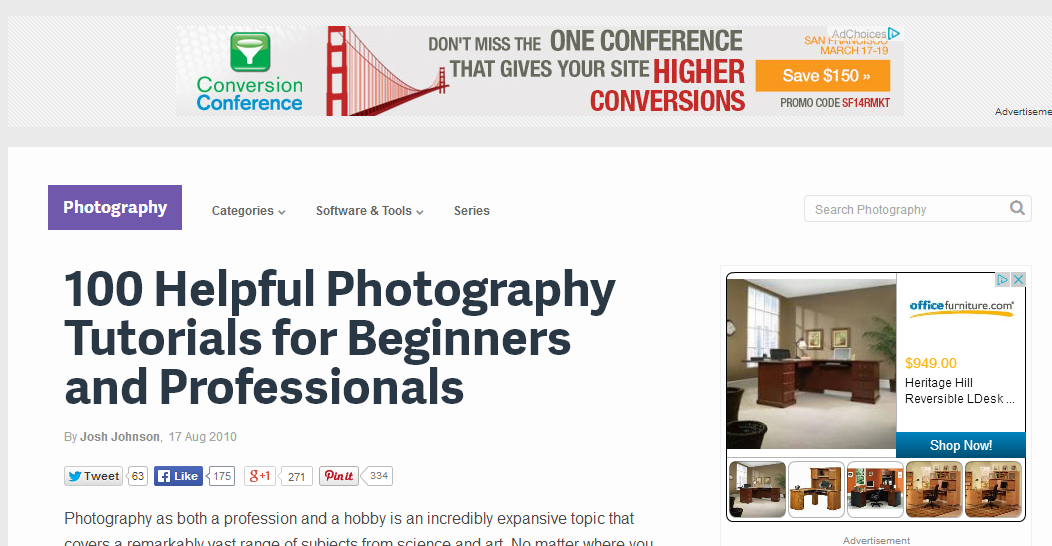
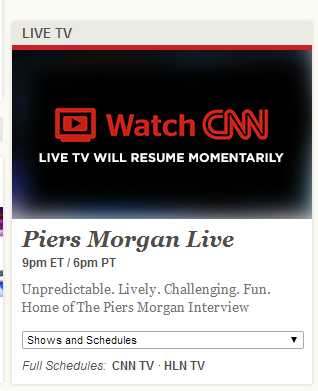
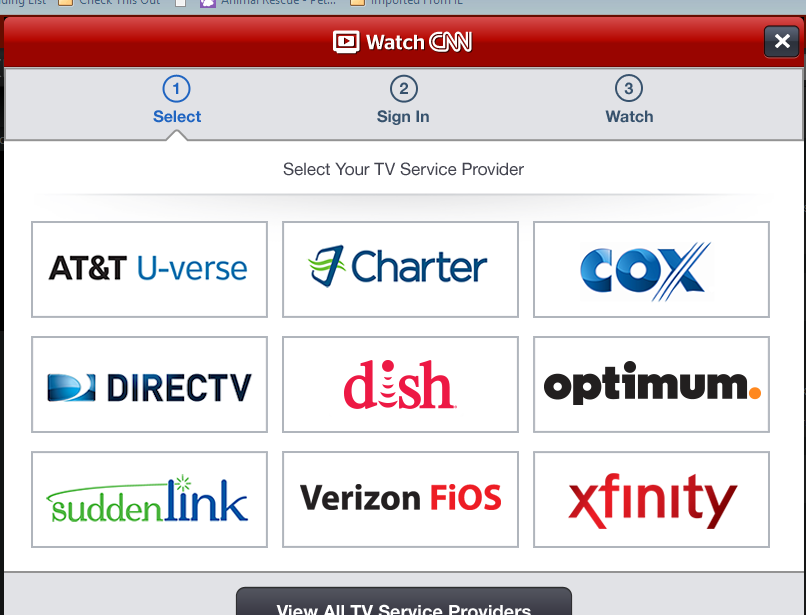
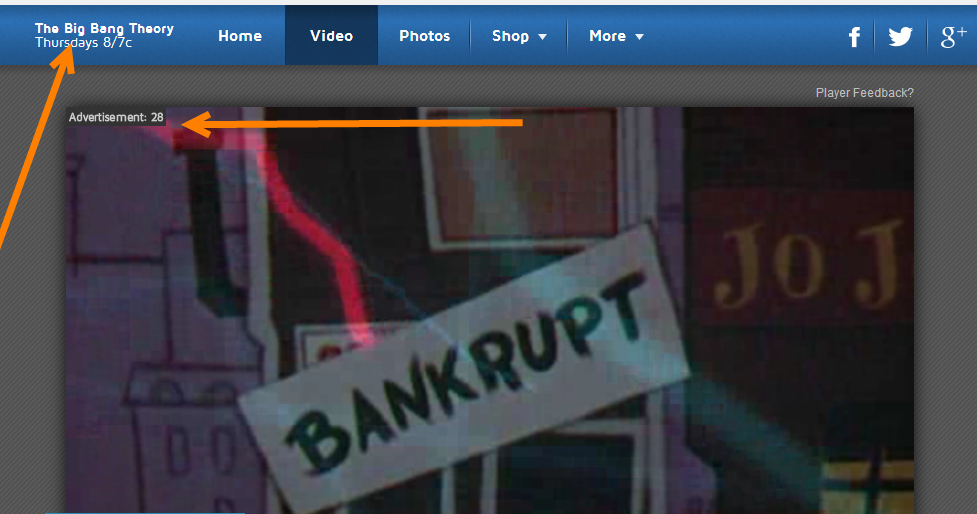
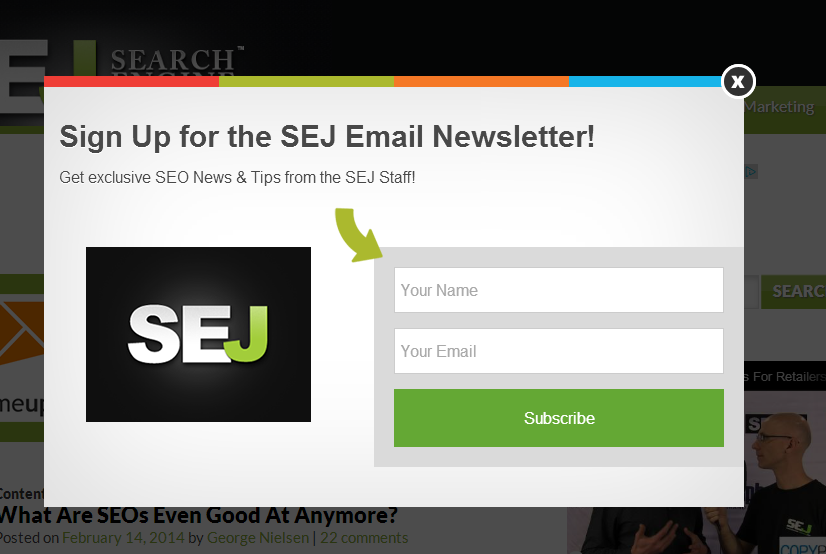
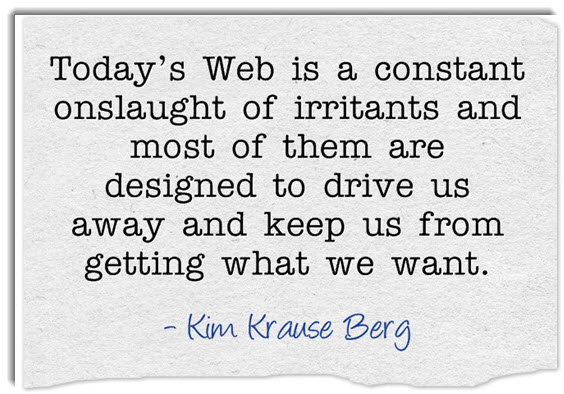
| A Great Website Gives Visitors What They Came For Posted: 18 Feb 2014 04:00 AM PST When was the last time you purposely chose to visit a website just to not get what you came there for? A "Free" download means you have to do something before you get it, just as OZ made Dorothy bring back the broom from the Wicked Witch. You may be requested to "share" on Facebook the website name along with their promotion before the download will begin. It's common to be required to provide your email and name to gain access to the download. Or perhaps, especially with technical eBooks, you must enter your company's financials, position, number of employees and phone number before you are allowed access to the "free" download. Content is not free. For content providers to afford to keep up with the demands of delivering quality content, they need a way to pay their bills and they do it with advertisements the same way that print publications have always needed to. The difference is that with the Internet, where we have just been to is constantly showing up wherever we go to next. Yes, I looked into the Conversion Conference and yes, I'm shopping for new office furniture as noted here. CNN presents "live TV" via their website. If you own a TV and pay for cable, this gives you the opportunity to watch their news shows from a computer device. Since some TV shows do not require cable to view online, however, the information provided by CNN is not enough. As a fan of Search Engine Journal, I signed up for their newsletter ages ago. Despite that, I'm reminded every time I visit to subscribe. All it would take is a tick box for "No thanks. Luv ya! Already did. It's okay to turn this thing off". Most of us click these boxes away because we have not had the opportunity to look at the website before we choose to commit to getting any email from them. Logically it would seem that these pop-ups do not convert and yet marketing people demand they be included. As a usability analyst willing to make marketers happy, I make suggestions. For instance, provide more information about what it is exactly your visitors are being asked to subscribe to. How often does it arrive? What's in it? Is it easy to unsubscribe? In other words, these intrusive boxes are not about meeting KPI's. They should be about providing more reasons to like your site. Why is liking your website the objective?
When you walk past store after store in a shopping mall, you already know in advance which stores are your favorites. There may be three shops for diamond rings on one floor, two famous brand coffee shops, four bath and body stores, six women's clothing stores on each side and department stores anchored on each end. Not one of these stores has a salesperson planted at their doors demanding that you fill out a form with your personal information before you can enter. None of them hides their products from their display windows until you first "like" them on Facebook. When you purchase from one of the anchor stores, the cashier doesn't suddenly announce to the entire shopping mall that you were just there and then lists each item you are carrying in your pretty shopping bag. None of the store employees chases you out into the parking lot asking you to accept cookies so they can hit you with "stuff you might like" on your next visit. The difference between your website and that of your competitors is in the details. Your website success is based on how well you establish good relationships based on trust, customer satisfaction and your ability to get your guests to what they need and want efficiently, effortlessly and painlessly. Web design, with its infinite scrolling and responsive design creations, still has not mastered the medium with even the basics of a solid information architecture, understanding mental models, methods for engagement, sticky and brand loyalty. When a new website opens, you can still hear a pin drop, but when a new famous food store opens up nearby, the traffic jams and filled parking lots are a joy to behold. How will you open your website doors to your visitors this year? The post A Great Website Gives Visitors What They Came For appeared first on Internet Marketing Ninjas Blog.        |
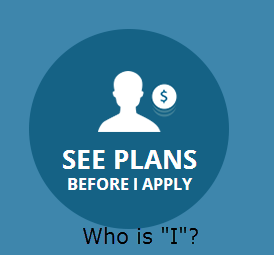
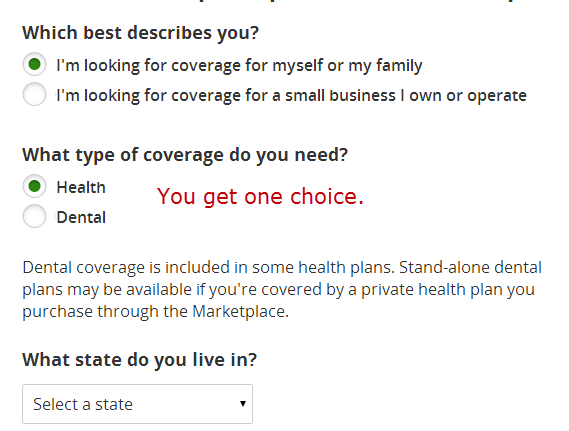
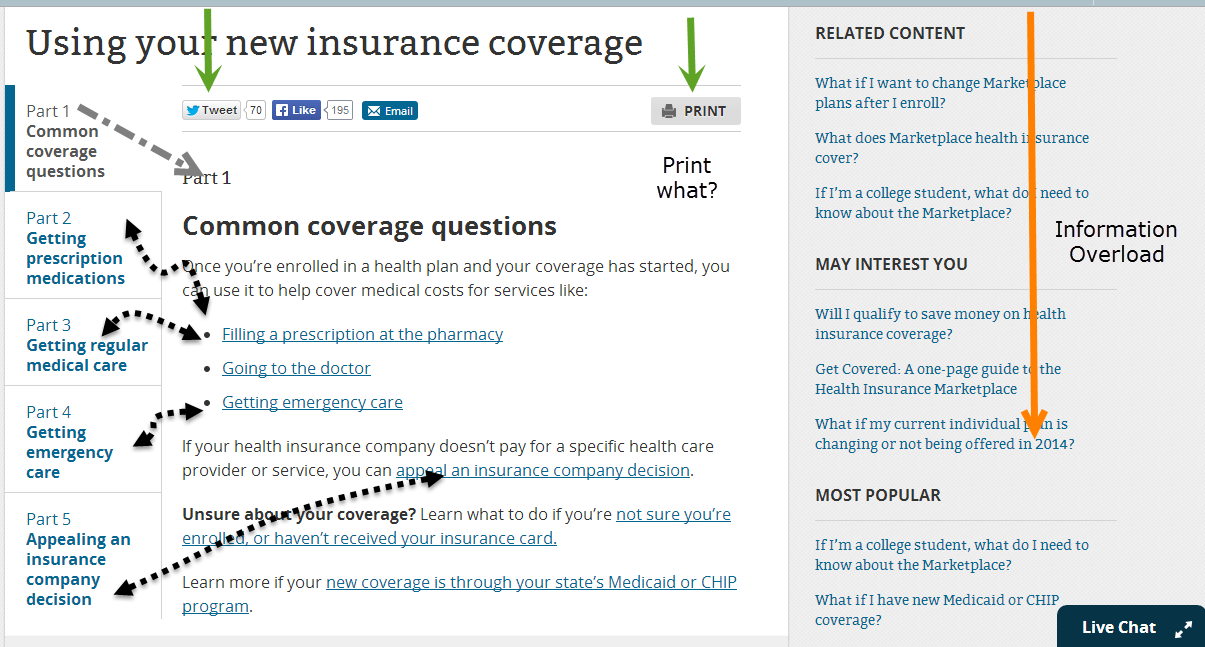
| Healthcare.gov: User Experience Design Update Posted: 11 Feb 2014 07:23 AM PST With a March 31 deadline looming for open enrollment, the broken Healthcare.gov web site is still a disaster. Let's see how that 90 million dollar contract is working out. My favorite call to action was the "Apply by Phone" button used in the original homepage. 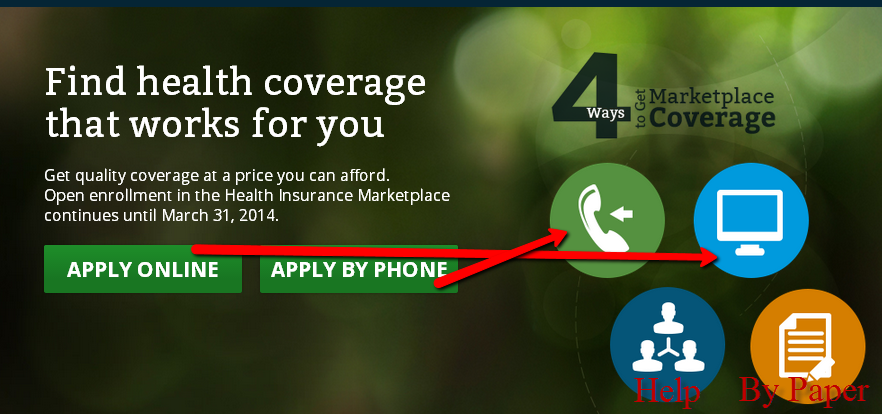 Original homepage. Next is the new homepage, with images removed as a test for organic SEO, and meeting WCAG 2.0 and Section 508 accessibility standards. What is the name of this website? It doesn't indicate the domain, or a site name. If you didn't know the URL, what search terms would be used to find this website? There are still two ways to "get insurance". This was the same mystery task as the original version, in which visitors guess which call to action to choose. Does "Get Insurance" get them started or let them enroll or help them search, or does this top user task start with "Apply Now?" 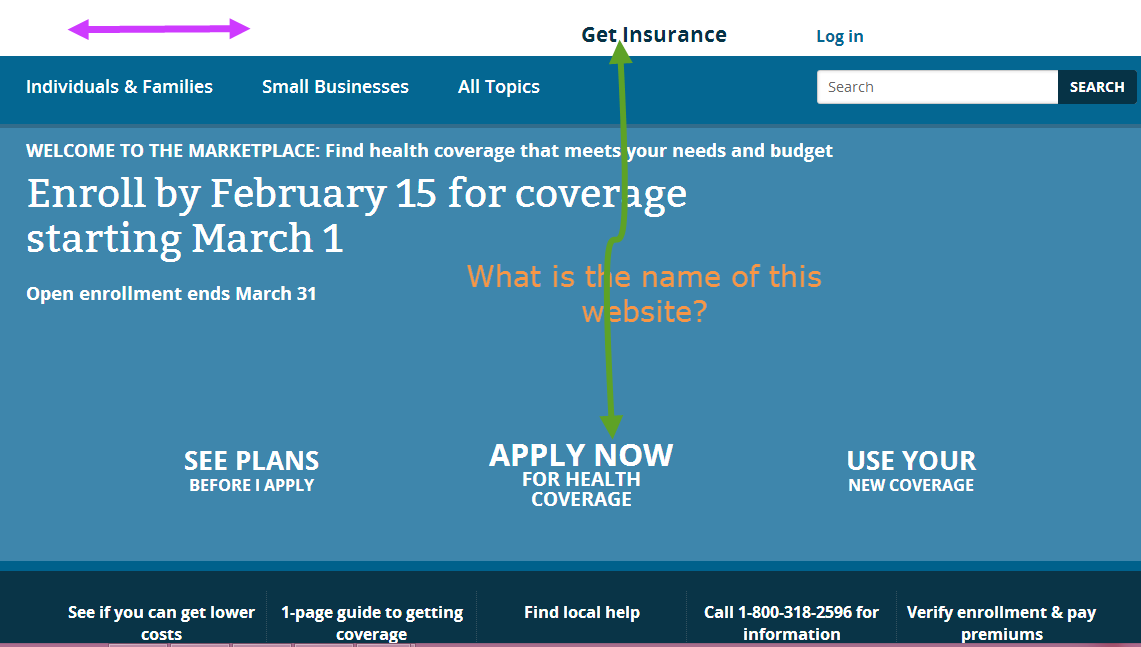 What is the name of the website? Where do we start? The bottom of the homepage is text-based with lots of redundant information, as if to imply there is nothing much to put here. The blog posts are on the topic of the deadline. So are the "49 days left to enroll" and the, um, "31". Meanwhile, even down here in the below-the-page-fold basement of the homepage, there is no site name to be found, although there are a few hints. I find it hard to understand why this section of the homepage is not used to help funnel different types of user groups inside the site. The headings don't motivate anyone to explore or take action. Wow. "Top Content". That excites me. And really. How about those videos? There is no persuasive design person in all of Accenture to fix this? 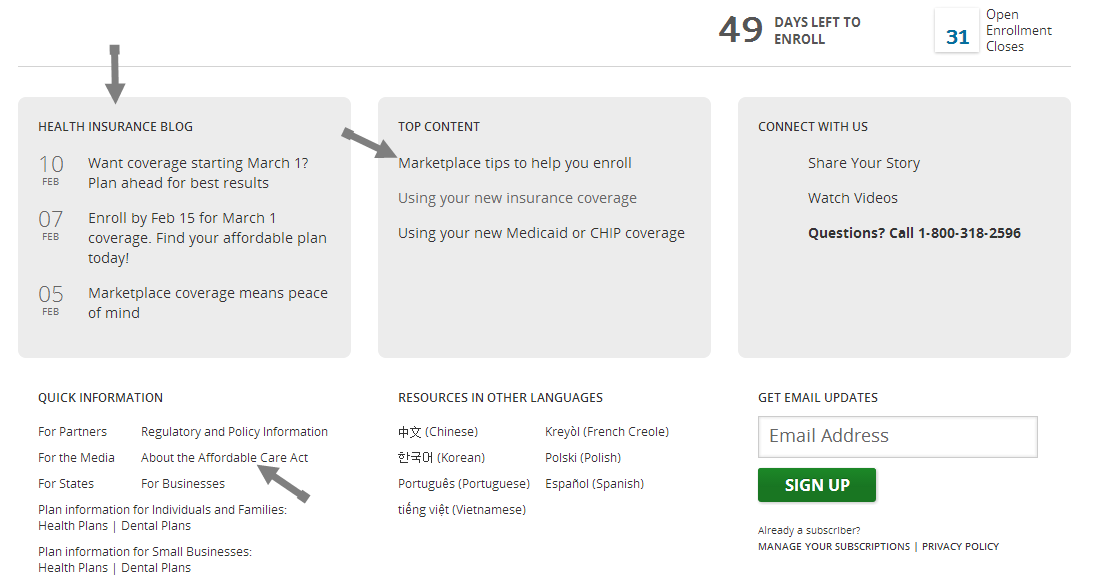 Does any of this content motivate you? I did find the site name by the way. It's "Health Insurance Marketplace", according to this page, https://www.healthcare.gov/archive/, which also needs an update since it still claims that October 1, 2013 is the deadline for enrollment. For 90 million, fixing existing content should be easy to do. What Do You Want to Do First?They still don't understand why people come to this site and who they are. The target market for ObamaCare is not the middle or upper class. The plans are no cheaper than shopping and comparing health plans from ehealthinsurance.com/. I compared the two. Guess which one is easier to use? The difference is that lower income people may qualify for tax credits using the ObamaCare. Lower income people, young people and the uninsured are the target users. None of them are identified on the homepage and guided to where they may find the information that fits their needs. As before, I found where to start on the homepage is still an issue because the calls to action are not well defined. For example, if you click on Individuals and Families, you arrive here. 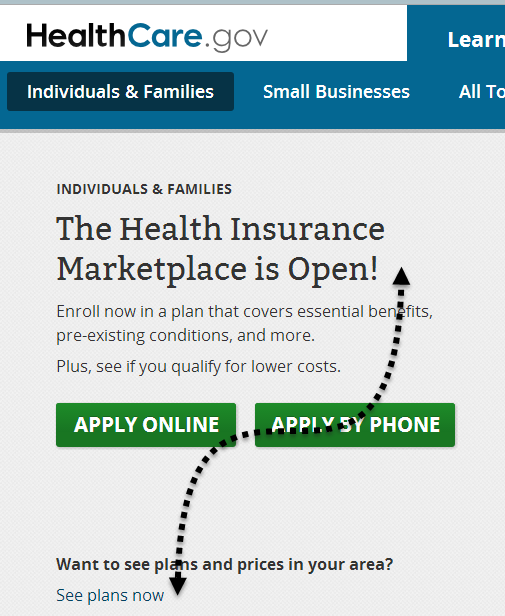 Where does this link take us? What happens here? Several millions later and they have not repaired this page. Before you apply, logically it makes sense to search for what's available. You can also click a button to call. (Love that one.) If you are an individual, perhaps your needs are different than a family of six. Where is the user path for single people? Everyone is funneled into the same corral. If you like the new big button on the homepage, you may start there first. It doesn't matter who you are, everyone starts here. However, with this task, you are asked questions to help narrow down your search. What a shame the button or any descriptive text doesn't mention that. Any company worth its salt in user experience design knows that people follow tasks they understand and which meets their specific needs. I did try and find health insurance plans for a variety of needs and the functionality remains broken. No matter how many times I entered information, such as the state and the type of coverage, the site forgets it if I start over for a new search. 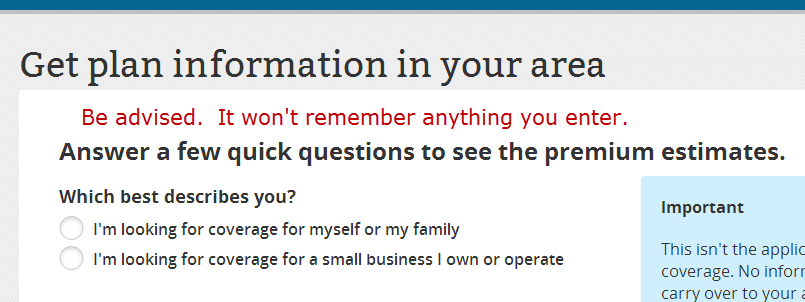 Not intuitive. Its okay to keep personal details secure such as name, address and income but some of the basic sort criteria could be retained to shorten comparison shopping times. The site does not handle more than one function at a time. For example, you can only look for health or dental insurance, but not both at the same time. For those of us who do website design focused on usability, user experience, persuasive design, and build functional Internet software applications far more complicated than Healthcare.gov's site, awarding a $90 million, one-year contract to fix a broken site is impossible to understand. This page makes no sense. This page can be found in a wide variety of ways, creating a sense of getting the run around. 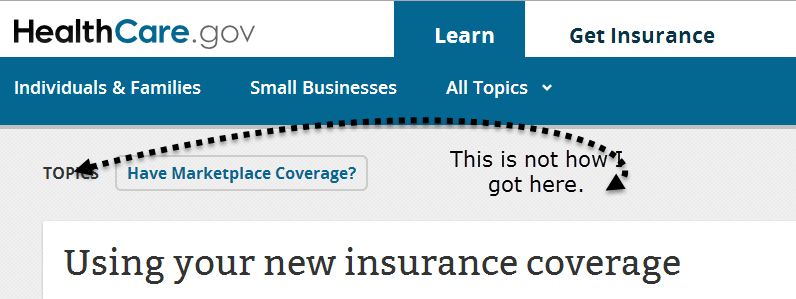 Site has poor navigation. There are so many companies with usability experts and software application developers who could save the website for a fraction of the cost. What a shame they were never asked to help. The post Healthcare.gov: User Experience Design Update appeared first on Internet Marketing Ninjas Blog.    |
| Free and Useful On-Page Optimization Tools Posted: 10 Feb 2014 06:30 AM PST On-page SEO is one of those elements to any campaign that is unavoidable. It doesn’t matter if you are running a shop, a blog, or a service. Without making sure search bots can understand and read your pages correctly, all other efforts won’t be as efficient (or complete). The entire tools section here is a beta part of SEO Chat. Page Comparison
On-Page SEO Optimization Analysis Tool
Web Page SEO Analysis Tool
Keyword Cloud Tool
Check also this one out: Page Keyword Density Analysis Meta Tag Analyzer (and Search Results Preview)
The tool supports Google Authorship as well, so you’ll see your Authorship rich snippet as well! Easily analyze, understand and preview meta tags! Do you know of any good tools for on-page optimization? Have you seen results yourself? We would love to hear from you, so leave us a comment! The post Free and Useful On-Page Optimization Tools appeared first on Internet Marketing Ninjas Blog.    |
| “Flawless Consulting” A [book] tool worth adding to your tool set Posted: 07 Feb 2014 10:20 AM PST “Flawless Consulting,” by Peter Block, isn’t your average book. For those who desire to learn and apply the knowledge contained in it, this is a book that has the potential of breathing new life into your business and possibly even your personal life and relationships with people. First, before describing what the book is about, let’s take a moment to define the word “consulting,” Peter Block does a wonderful job of helping us, as his readers, to understand what consulting is. Once you understand it, you see that this book is relevant to more areas than one would think, initially, when reading the title. In other words, this book isn’t just for people who have the title “Consultant” on their business card, but is even helpful in day-to-day life. And, if you have a business, large or small, well, it is just plain essential. Ok, back to the definition.. What is Consulting??Let’s look at a situation of mother and child. If a mother tells the child, “Go clean your room,” she isn’t acting as a consultant. She is acting as an authority, as a manager, with this directive. If the child asks his mother what he should do because he is bored and his mother responds with, “Well, honey, it might be good to clean your room,” it is a suggestion and the mother is actually acting in a consultant role rather than a manager role. So, when you look at it that way, you can see that most of our lives do have elements of consulting. What Block teatches is that any time you do not have control over whether or not the person does what you are directing, you are functioning in this consulting capacity. Relevant Beyond the Board RoomAs you can see, looking at the definition, consulting takes us into a different realm and we may start to ask ourselves how we can be more effective in our role of giving advice. This even applies to sales people in giving the advice that the client should buy their services or products. It plays into social media when we are attempting to solicit responses to our Facebook statuses. After all, none of us can really force anyone to put a LIKE on our kitten picture, can we? We don’t have control. We are functioning in a sort of consulting role, as we suggest they LIKE our page or kitten picture. Effectiveness as a ConsultantOne of the key points that Mr. Block teaches throughout the book, is trust. This is a basis for relationship whether it is a relationship with your spouse, or a business relationship. The same thing goes for sales, as well. If the client reading your Facebook status thinks that you are being dishonest with them, that are not going to continue to engage or continue to LIKE your page, let alone purchase your products or services. However, on the converse, those clients who trust you are more likely to spend more money than what they need to, because their basis is trust. In a world where we are bombarded with the message to “Get it done!” and if possible, to get it done with quality, it is easy to see how the completion of a task is more important than any warm fuzzies. After all, the task is the most important aspect, right? Not necessarily. That is why reading this book and really letting it germinate, is so useful, because it is almost counter-intuitive to what we are taught, and yet, it is very intuitive to how we are “wired” as human beings and want to relate and engage with one another. Add to that, the hot topic of “relationship marketing” and there we have come full circle (and yes, remember that it is no longer “relationship marketing” if you are trying to fool your client and scam them.. no trust… no relationship… no sale). Getting to Know the Man Behind the BookOn his “about page,” Peter is described as “…an author, consultant and citizen of Cincinnati, Ohio. His work is about empowerment, stewardship, chosen accountability and the reconciliation of community.” The description, alone, gets one wondering what his message is, and phrases like “reconciliation of community” help us to rationalize our desire to learn from someone who seems to be so interested in people and the betterment of society. It is no small wonder that “Flawless Consulting” is a bestseller, but it has also been called the “consultant’s bible.” Having read it personally, I can understand both of those facts from a first-hand perspective. I first came across this book in my Master’s degree program in psychology, when studying “Consulting Psychology.” This was a very impressive choice for a college textbook and I found it relevant from a psychology approach, as well as a real-life and business relevancy. To get a hold of the book for yourself, visit FlawlessConsulting.com. There is also a Kindle version and an audio book version via amazon.com. The post “Flawless Consulting” A [book] tool worth adding to your tool set appeared first on Internet Marketing Ninjas Blog.    |
| Content Distribution Management To Halt Search Engine SEO Chaos Posted: 07 Feb 2014 06:28 AM PST That’s a pretty strong title for my first Ninja blog post but this is a teaser for my upcoming PubCon session on Tuesday March 18 about Algo Chaos. where I’ll be discussing what webmasters need to do to be proactive and stop penalties and algo problems before they happen. Don't waste time trying to fix Google penalties chasing unauthorized content usage with Google Alerts, Copyscape, Google’s Webmaster Toos, disavowing junk links and other services. Better yet, avoid the hassle of using DMCAs making it your last resort, not the first. This will be a 2 part blog post starting with a list of some of the chaos that scrapers can cause in search engines and ending with some actions that can be taken to proactively prevent scraping in the first place. Proactive Content Distribution aka Bot Blocking Stop The SEO Freeloaders Jackpot People used to think that bot blocking was something that just the bit twiddling scraper paranoid webmaster nerds did and often poked fun at them for being such control freaks. Turns out, the nerds were right, and to some degree this vindication of their efforts is the Revenge of the SEO Nerds. By being proactive and blocking unauthorized access to the website content the website copy and links weren’t being randomly used in ways that could cause harm to the scraped site. While not all data scrapers and aggregators are bad, and some do perform a useful purpose, the majority tend to run towards the bad side and can cause lots of harm that can easily cripple a site and defeat the site’s own SEO efforts. Bad LinksI can still remember back when some link builders used to tell me scrapers were good for business that those free links were just gravy helping your site. I warned them of the dangers as I had already encountered the dark side of this which cost me some business, but it wasn’t as clear cut back then so they allowed themselves to be scraped and welcomed it. Now some of those very same link builders don’t want scrapers anywhere near their sites. My how the times have changed. What happens is all sorts of bad sites that scrape content not only make sites the victim of plagiarism but can incur various linking penalties in Google. Don’t believe it when they say there’s nothing a 3rd party site can do to cause damage because you’re guilty by association of these linking schemes whether you had any participation or not. The only way to avoid it is to employ every anti-scraping method possible, including prayer. If you spend all day doing disavows while allowing scrapers to generate more links, it quickly escalates to more than you can process. It just becomes a big game of whack-a-mole that you’ll never win unless you stop the problem at the root, block the scraper. Duplicate ContentThis is the worst ever, getting outranked by your own content. It’s insanity at it’s finest wrapped up in the pretty colorful Google logo letters. Traditional methods to fight it are money and time wasting efforts using Google alerts and Copyscape to track this stuff and then resorting to racking up legal fees sending Cease & Desist letters, DMCA requests, etc. Often the case is that these sites are outside of the jurisdiction of the site owner making it nearly impossible, ie. impractical, to do anything except maybe get the content removed from one or two search engines with no recourse anywhere else. When it comes to RSS feeds the site operator is often completely culpable for most of the damage being caused by insisting on publishing the full text feed instead of a summary. Making it easy for your readers also makes it easy for scrapers and unfortunately, it’s almost impossible to block scrapers without blocking RSS feed readers as they are scrapers themselves. Therefore the choice is simple, publish full text RSS feeds and get lower rankings or publish the summary and out rank RSS aggregators. Stop the madness and summarize those feeds! Brand Dilution and Reputation DamageWhen other sites are carrying your content and branding without your permission the confusion it creates in the marketplace can be devastating. The problem is that the scrapers using your content really don’t even want it for anything other than long tail keywords to bring them traffic so they aren’t concerned with what other content yours is associated with on their site as mixed and often controversial topics can appear on the same page. These issues have created outrage in people not familiar with that scrapers do thinking that companies were putting their brand or authorizing it’s usage in such ways which is the furthest from the truth. The easiest way to avoid such issues is to prevent them from happening in the first place. Unintended Search Results ConsequencesSome advertisers had their ads scraped and spun onto pages trying to attract visitors to seedy websites and these advertisers pulled their ads costing many thousands of dollars in damages to the publisher. They blamed the association of their ads to those types of websites on the website where the ad was hosted when that site had nothing to do with the situation except, it didn’t stop the scraper in the first place. Normally an advertiser wouldn’t have been able to track his ads to the source of the scraping when running a massive ad campaign but this advertiser did a custom ad just for that site so the source of the scraping was painfully obvious. While the association of the advertiser and the seedy side of the web was the combination of the scraper and the search engine working together, it cost the publisher money in the end, something that should be obviously avoided. Again, stopping scrapers in advance is the only way to prevent this problem. Proxy HijackingThe simplest form of damage is tricking Googlebot or other search engines into hijacking your entire site via something called a proxy hijacking which isn’t as common as it used to be but these still occur despite the best efforts of the search engines to stop them. The best case scenario is that your website only ranks against it’s own content and loses some position. The worse case scenario is the proxy copy manages to completely relegate your site to supplemental results, if indexed at all. Validating the source of crawlers and rejecting spiders such as Googlebot when they crawling from IPs outside their valid range it all it takes to protect your site from this issue. Considering that a fix for proxy hijacking has been available since 2006 it’s a real shame all sites aren’t protected today. Having a few RSS feed stories out rank your site is one thing, but losing your entire website to a proxy hijack is totally unacceptable and completely avoidable! Next week: |


| You are subscribed to email updates from Internet Marketing Ninjas Blog To stop receiving these emails, you may unsubscribe now. | Email delivery powered by Google |
| Google Inc., 20 West Kinzie, Chicago IL USA 60610 | |
